The big change affecting European travel
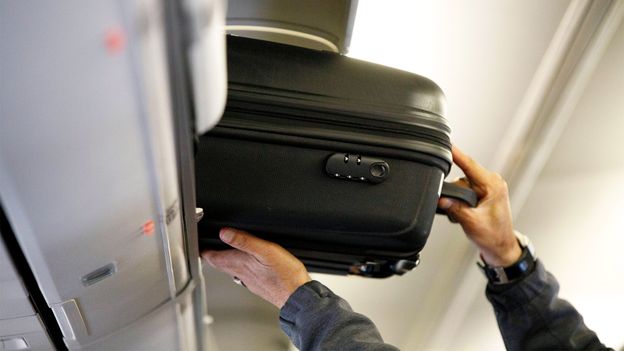
The days of being charged additional fees for your hand luggage on flights could soon be a thing of the past – at least in the European Union. On 24 June, lawmakers voted in favour of a proposal allowing passengers to bring a small carry-on bag weighing up to 7kg (15.4lbs) on board their flight free of charge, even on budget airlines.
Under the new rule, travellers would be allowed to bring one cabin bag measuring up to 100cm on board their flight, as well as an under-the-seat personal item with a maximum size of 40x30x15cm at no additional cost. The proposed law still requires approval from 55% of EU member states, but if adopted following negotiations starting in July 2025, the new rules would extend to all flights within the EU, as well as routes to and from the EU.
“Today’s vote marks an important step toward fairer and more transparent travel,” vice-chair of the EU Committee on Transport and Tourism (TRAN) Matteo Ricci said in a press statement. “[It introduces] concrete measures such as the clear definition of free hand luggage … a fundamental right to avoid unjustified extra costs.”
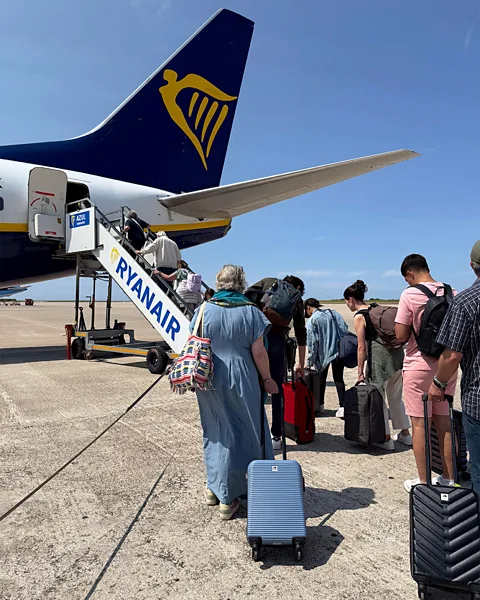
Previously, EU-based budget airlines like EasyJet, RyanAir, Wizz and others often charged substantial fees for hand luggage, depending on its size and weight. As a result, Spain’s Consumer Rights Ministry fined five budget airlines €179m (£149m) for what it deemed “abusive practices” in November 2024. The Spanish ruling, along with pressure from consumer rights associations and passengers, has paved the way for the EU to push for what it considers fairer and more consistent hand luggage rules.
The carry-on proposal is part of a larger effort by the European Parliament to increase protections and rights for travellers. To ensure that families can sit together without incurring additional costs, lawmakers also voted to prohibit airlines from imposing seat selection charges for children aged 12 and under.

 Alamy
AlamyLawmakers also want to change the way companies handle compensation and reimbursement requests by requiring ticket vendors or third-party retailers to inform passengers of the full cost of their flight at the time of booking – including intermediation or service fees – as well as the reimbursement process. Officials also want to ensure that travellers in the EU aren’t just entitled to compensation when airline delays cause them to miss their connecting flights, but also when a delay causes them to miss their connection on another mode of transport (an airport bus, for instance) when the ticket is purchased through one operator.
link