Planning Your Trip to Rome? Everything You Need to Know About the Trevi Fountain Entry Fee, Timings, and Insider Tips
Published on
February 5, 2026
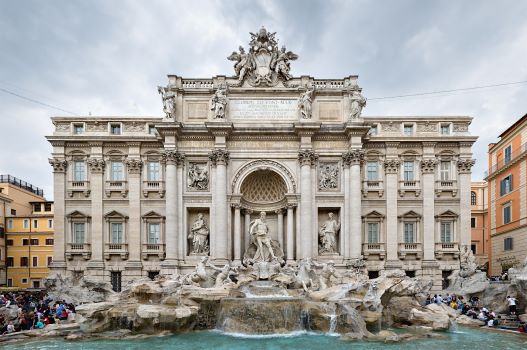
Rome has unveiled a major update for visitors: the Trevi Fountain entry fee is now in effect. For centuries, this world-famous landmark welcomed tourists free of charge. In 2026, authorities introduced a small fee to protect the fountain and improve the visitor experience. The new system affects only those who wish to access the fountain’s lower basin, the iconic spot for tossing coins and capturing photos. Visitors who prefer to admire the fountain from the surrounding square can still enjoy it without paying. This decision balances heritage protection with tourism access, reflecting Rome’s commitment to sustainable travel.
Why Rome Introduced the Trevi Fountain Entry Fee
The Trevi Fountain attracts millions of visitors every year. Crowds often create safety concerns and threaten the monument’s preservation. To address these challenges, Rome introduced the Trevi Fountain entry fee. The fee is modest, designed to manage numbers rather than generate profit. Officials believe that controlling crowd density improves the visitor experience. With fewer people around the fountain, travellers can enjoy unobstructed views, take photographs safely, and appreciate the fountain’s artistry. The Trevi Fountain entry fee is part of a wider strategy to protect cultural landmarks while maintaining global tourism appeal. Sustainable travel practices are now central to Rome’s tourism policies.
Who Needs to Pay and Who Is Exempt
Not everyone is required to pay the Trevi Fountain entry fee. Visitors accessing the fountain’s lower level must pay a small charge. However, the city has exempted several groups. Residents of Rome and nearby areas can visit freely. Children under a certain age are not required to pay. Visitors with disabilities and their caregivers also receive free entry. This approach ensures fairness while managing tourist numbers effectively. The Trevi Fountain entry fee prioritises mass tourism management without restricting access for locals or vulnerable groups. Families and accessible travel markets can still enjoy this landmark without additional cost.
Access Timings and Travel Planning Tips
The Trevi Fountain entry fee applies during specific hours. Paid access is generally available during daytime and evening periods when visitor numbers peak. Outside these times, access to the fountain basin is free. This allows travellers to plan visits strategically to avoid paying while still experiencing the monument up close. Early mornings and late evenings are ideal for peaceful sightseeing. By scheduling visits during off-peak hours, tourists can avoid crowds, enjoy better photos, and immerse themselves in the atmosphere. Understanding the timings helps travellers make the most of their visit while navigating Rome’s busy tourist landscape.
How the Fee Enhances Visitor Experience
The Trevi Fountain entry fee may seem minor, but it brings several benefits. It reduces overcrowding, allowing for a more comfortable and relaxed visit. Tourists can approach the fountain safely, take photos without obstruction, and experience the fountain’s details up close. Crowds can sometimes diminish the experience; managing visitor flow improves enjoyment. The fee also funds maintenance and preservation work, ensuring the fountain remains a world-class attraction. For the travel industry, this system demonstrates how small measures can enhance both visitor satisfaction and heritage protection.
A Reflection of Global Tourism Trends
Rome’s introduction of the Trevi Fountain entry fee is not an isolated measure. Cities worldwide are adopting similar strategies to manage popular landmarks. Controlled access, ticketing systems, and sustainable tourism practices are increasingly common. The Trevi Fountain entry fee reflects this global trend. Tourists are encouraged to respect heritage sites while enjoying immersive travel experiences. For travel planners and tour operators, the change signals the importance of building itineraries around timing, access rules, and crowd management. Rome sets an example for balancing preservation and tourism in iconic locations.
Advertisement
Advertisement
Tips for Travellers Visiting the Trevi Fountain
Despite the entry fee, the Trevi Fountain remains a must-see destination. Visitors can still enjoy the famous coin-toss tradition and make wishes. Planning visits during off-peak hours maximises the experience and may avoid the small fee entirely. Early mornings and late evenings are recommended for serene sightseeing. Families and accessible travellers can visit without worrying about extra charges. The modest fee ensures a safer, more enjoyable experience while contributing to long-term preservation. By understanding the new rules, travellers can make the most of their Rome trip and create memorable moments at this timeless landmark.
Conclusion: A Small Fee for a Priceless Experience
The Trevi Fountain entry fee represents a thoughtful balance between tourism management and cultural preservation. Rome continues to welcome visitors from around the globe, but with a renewed focus on sustainability and safety. For travellers, this means slightly adapting plans while gaining a more immersive, memorable experience. The fountain remains as enchanting as ever. The entry fee ensures that future generations can enjoy its beauty. For global tourists, €2 is a small price for access to one of the world’s most iconic and romantic landmarks.

link