U.S. International Travel Shifts in May 2025: Arrivals Fall, Departures Rise
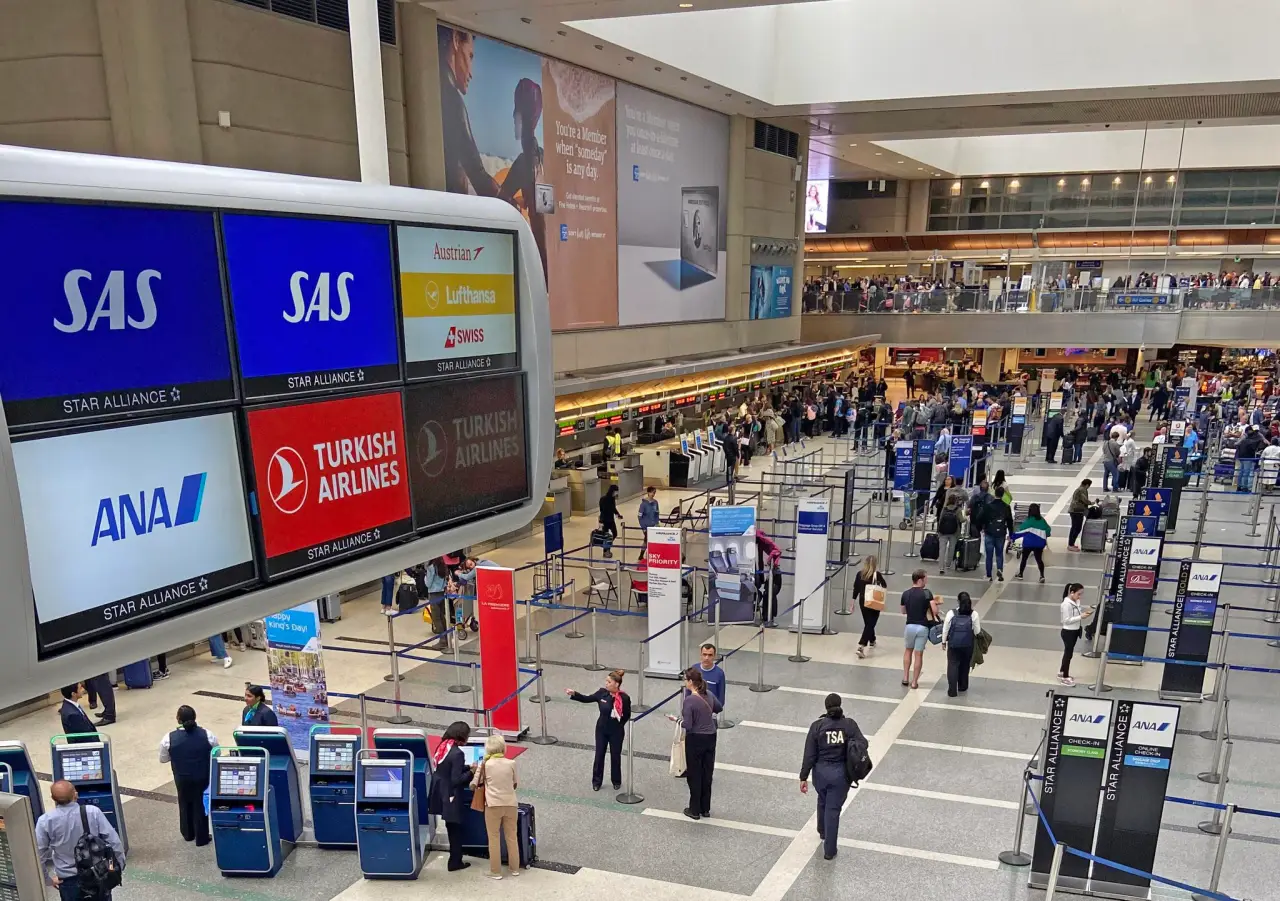
International travel in May 2025 revealed a striking contrast between inbound and outbound activity for the United States. Fewer international visitors arrived, while more Americans packed their bags to travel abroad. These shifts provide a snapshot of changing global travel dynamics and continued post-pandemic adjustments.
Despite seasonal trends that typically boost U.S. tourism, the month saw a drop in foreign arrivals. In contrast, American travelers embraced overseas trips at a pace exceeding pre-pandemic levels, signaling a strong appetite for international leisure and business travel.
International Visitor Arrivals to the United States Decline
In May 2025, the United States welcomed 5,634,382 international visitors, a 7 percent decrease from May 2024. This figure represents just 84 percent of the pre-COVID volume for May 2019, showing that inbound tourism has yet to fully recover.
Overseas arrivals totaled 2,958,732, down 2.8 percent year-over-year. The remaining arrivals were primarily from neighboring countries Canada and Mexico. Mexico remained the largest source of visitors, followed by Canada and the United Kingdom. The top five source markets accounted for more than 61 percent of total arrivals.
| Top 5 Source Countries | Total Arrivals (May 2025) |
|---|---|
| Mexico | 1,392,283 |
| Canada | 1,283,367 |
| United Kingdom | 364,071 |
| India | 263,108 |
| Brazil | 159,149 |
Among overseas markets, the United Kingdom continued to lead, with 312,268 leisure travelers and 50,636 business travelers. India followed with 212,767 leisure visitors and 42,944 business travelers. Brazil, Germany, and France rounded out the top five overseas tourism arrivals.
Business and Student Travel Insights
In addition to leisure visits, May 2025 saw notable patterns in business and student travel. The top five overseas markets for business arrivals were the United Kingdom, India, Germany, Japan, and China. This reflects the continued importance of transatlantic business travel and growing connections with Asian markets.
For student arrivals, China remained the leader with 7,658 arrivals, closely followed by India with 7,397. South Korea, Brazil, and Taiwan rounded out the top five student markets, highlighting the United States’ ongoing role as a destination for global education.
Outbound Travel from the United States Surges
While fewer international visitors entered the U.S., outbound travel told a different story. 9,674,868 U.S. citizens traveled abroad in May 2025, a 4.5 percent increase compared to May 2024. This volume represents 113.4 percent of the departures seen in May 2019, signaling that Americans are traveling internationally at record levels post-pandemic.
Mexico remained the top destination, drawing 3,357,101 outbound travelers, or 40.4 percent of total departures. Europe was the second largest region for U.S. travelers, with 2,529,718 departures, reflecting a 6.1 percent year-over-year increase. These trends illustrate strong demand for both nearby beach getaways and long-haul international travel.
| Region / Destination | Departures (May 2025) | YOY Change |
|---|---|---|
| Mexico | 3,357,101 | +N/A |
| Canada | Not Specified | -8% |
| Europe | 2,529,718 | +6.1% |
Year-to-date (YTD), North America—including Mexico and Canada—accounted for 49.5 percent of total U.S. departures, while overseas destinations represented 50.5 percent. Combined, Mexico and the Caribbean alone contributed 52.2 percent of all U.S. international departures, underscoring the enduring popularity of nearby vacation spots.
Changing Patterns in U.S. Travel
The data reflects evolving preferences in the wake of the pandemic. Americans appear increasingly eager to explore international destinations, while inbound tourism to the U.S. faces a slower recovery, especially from overseas markets outside of North America.
Several factors may be driving these trends: fluctuating exchange rates, the rising strength of the U.S. dollar in some regions, and lingering challenges with international air connectivity. Meanwhile, U.S. outbound growth reflects pent-up demand for leisure travel and increased confidence among international travelers.
Global Travel Outlook
May 2025’s numbers reveal a travel market that continues to rebalance. While inbound visitor counts have not fully returned to pre-pandemic levels, American travelers are embracing international journeys with renewed enthusiasm. Airlines, tourism boards, and hospitality sectors worldwide may adapt to these trends as demand patterns shift.
As the summer travel season progresses, industry observers will watch closely to see whether inbound tourism to the United States rebounds and if outbound travel continues to set new records. The balance between these two flows will shape airline schedules, pricing strategies, and the global tourism economy in the months to come.
The May 2025 data highlights a key takeaway: the United States is sending more travelers abroad than it is receiving, a dynamic that could have economic implications for domestic tourism-dependent markets. How long this trend persists remains an open question, but for now, the global travel landscape is firmly in motion.
link