Switzerland Joins Germany, Denmark, Ireland, Poland, France, Netherlands, And Over Thirty-Six Countries In Europe In Facing New Travel Impediments As Italy Rolls Out Unprecedented Tourist Levy And Sustainability Rules

Published on
February 12, 2026

Switzerland joins with Germany, Denmark, Ireland, Poland, France, Netherlands, and more than thirty-six countries across Europe, is facing tough travel restrictions as Italy implements an unprecedented tourist levy and new sustainability rules to regulate overcrowding and preserve iconic landmarks. This bold move, set to take effect in 2026, is a response to the mounting pressures of overtourism that have strained cultural sites like the Trevi Fountain. The levy, aimed at preserving Italy’s historical treasures and enhancing the visitor experience, marks a significant shift in how major European cities are addressing the environmental and infrastructural challenges caused by mass tourism.
As Europe grapples with the growing pressures of overtourism, Italy has set a bold precedent in managing this challenge with the introduction of a new tourist levy. Beginning in 2026, Italy’s €2 tourist levy will be imposed on visitors seeking to get close to one of Rome’s most iconic landmarks — the Trevi Fountain. This move is not only a game-changer for Italy but also signals a shift in how Europe’s busiest tourist destinations are tackling the impacts of mass tourism.
Italy’s introduction of the levy is part of a wider initiative aimed at preserving its monumental heritage, regulating crowding, and fostering more sustainable tourism practices. But what does this mean for travelers across Europe, especially those from countries like Germany, Denmark, Ireland, Poland, France, and Switzerland?
In this article, we explore the why and how of Italy’s new tourist levy, its impact on travelers from around Europe, and the broader implications for sustainable tourism in the continent.
Italy’s Unprecedented Tourist Levy: The Backstory
Italy’s Trevi Fountain, one of the most visited monuments in the world, draws millions of tourists annually. However, the sheer volume of visitors has led to significant overcrowding, which affects the overall experience and puts strain on the city’s infrastructure. To tackle this, Italy has introduced a €2 fee for those who wish to access the fountain’s immediate vicinity — a move aimed at reducing overcrowding and preserving the monument’s structural integrity.
This tourist tax, officially known as the “Rome Tourist Levy”, is designed to manage foot traffic around the Trevi Fountain and other iconic landmarks in the city. The collected funds will go towards maintenance and conservation efforts to ensure that these historical sites can be enjoyed by future generations. It is expected that this initiative will generate millions in revenue, helping Italy address the ongoing issue of overtourism, which is harming its heritage sites.
Advertisement
Advertisement
The tax is part of a larger trend across Europe, where countries are starting to charge tourists to access their cultural landmarks. Italy’s decision comes in the wake of similar measures in Venice, Barcelona, and Paris, all of which are working to curb the negative effects of mass tourism.
Why Italy Is Taking This Step
The introduction of the €2 levy is a direct response to the pressing issue of overtourism, which is causing overcrowding at many of Italy’s most beloved tourist spots. Key motivations behind this decision include:
Advertisement
Advertisement
- Preservation of Heritage: Popular landmarks like the Trevi Fountain are deteriorating due to the massive number of visitors each year. The levy helps raise funds for preservation and maintenance.
- Reducing Overcrowding: By charging an access fee, Italy can regulate the flow of visitors, ensuring that tourists have a more enjoyable and less congested experience.
- Sustainable Tourism: The levy is part of Italy’s broader push to promote sustainable tourism, balancing economic benefits with the need to protect historical sites.
- Improved Visitor Experience: Fewer crowds will allow tourists to enjoy the Trevi Fountain in a more relaxed and serene environment, away from the chaos that often surrounds such iconic sites.
Impact on Travelers from Across Europe
The implementation of the levy will not just affect Italian visitors but will have a ripple effect across Europe, especially on travelers from countries with a strong cultural and historical connection to Italy. Let’s explore how travelers from 36 European countries will be impacted.
Countries Affected by the Levy:
- Germany: As one of the largest sources of tourists to Italy, Germany will see its travelers facing the €2 charge when visiting the Trevi Fountain. The fee is expected to have a minimal impact on German tourists, who often make the most of their time in Italy by exploring multiple sites.
- Denmark: Danish travelers, who are known for their affinity for sustainable travel, may see this as a positive move to preserve the heritage of Rome and will likely support the levy despite the small charge.
- Ireland: Ireland has been a strong partner in EU tourism initiatives, and while the levy may seem like an inconvenience, Irish tourists will likely comply with the new rules as part of their cultural exploration.
- Poland: Polish visitors, a growing tourist segment in Rome, will now need to budget for this new tax, but it is unlikely to deter them, given the rich cultural ties between Poland and Italy.
- France: As Italy’s closest neighbor, France sends a large number of tourists to Rome each year. The €2 levy will affect a significant portion of French travelers, but it will likely be accepted as part of the overall cost of visiting Italy.
- Netherlands: Dutch travelers, accustomed to paying fees for cultural site access in other European countries, will likely accept the levy without much resistance.
- Switzerland: Swiss tourists are known for their appreciation of cultural heritage, and many will view the levy as a positive step toward preserving landmarks like the Trevi Fountain.
- Other Countries Affected: Hungary, Austria, Sweden, Iceland, Luxembourg, Norway, Malta, Greece, and Spain will all see their travelers impacted by this new policy, with a small charge for accessing one of the most iconic sites in Italy.
How Travelers from These Countries Are Impacted
For most travelers, the €2 levy is unlikely to be a deterrent, given the relatively low cost and the benefits it brings to both the visitor experience and heritage preservation. However, here’s how different European travelers will likely respond to the new tax:
- Budget Tourists: For travelers who tend to opt for budget-friendly vacations, the introduction of the levy may affect their overall travel plans, prompting them to look for alternative destinations or fewer visits to high-traffic sites. However, given that most cities are now incorporating similar fees, the overall impact on budget-conscious travelers may be minimal.
- Frequent Visitors: Those who visit Rome often may find the levy to be a small but recurring cost. These travelers may adjust their plans by visiting the fountain during off-peak hours or exploring less crowded areas of the city.
- Eco-Conscious Tourists: With sustainability becoming a key focus for travelers across Europe, those from eco-conscious countries like Denmark and Sweden will likely view the levy as a positive initiative, supporting the long-term sustainability of cultural landmarks.
The European Trend: Other Countries Following Italy’s Lead
Italy’s Trevi Fountain levy is part of a broader European movement where several other countries are implementing similar measures:
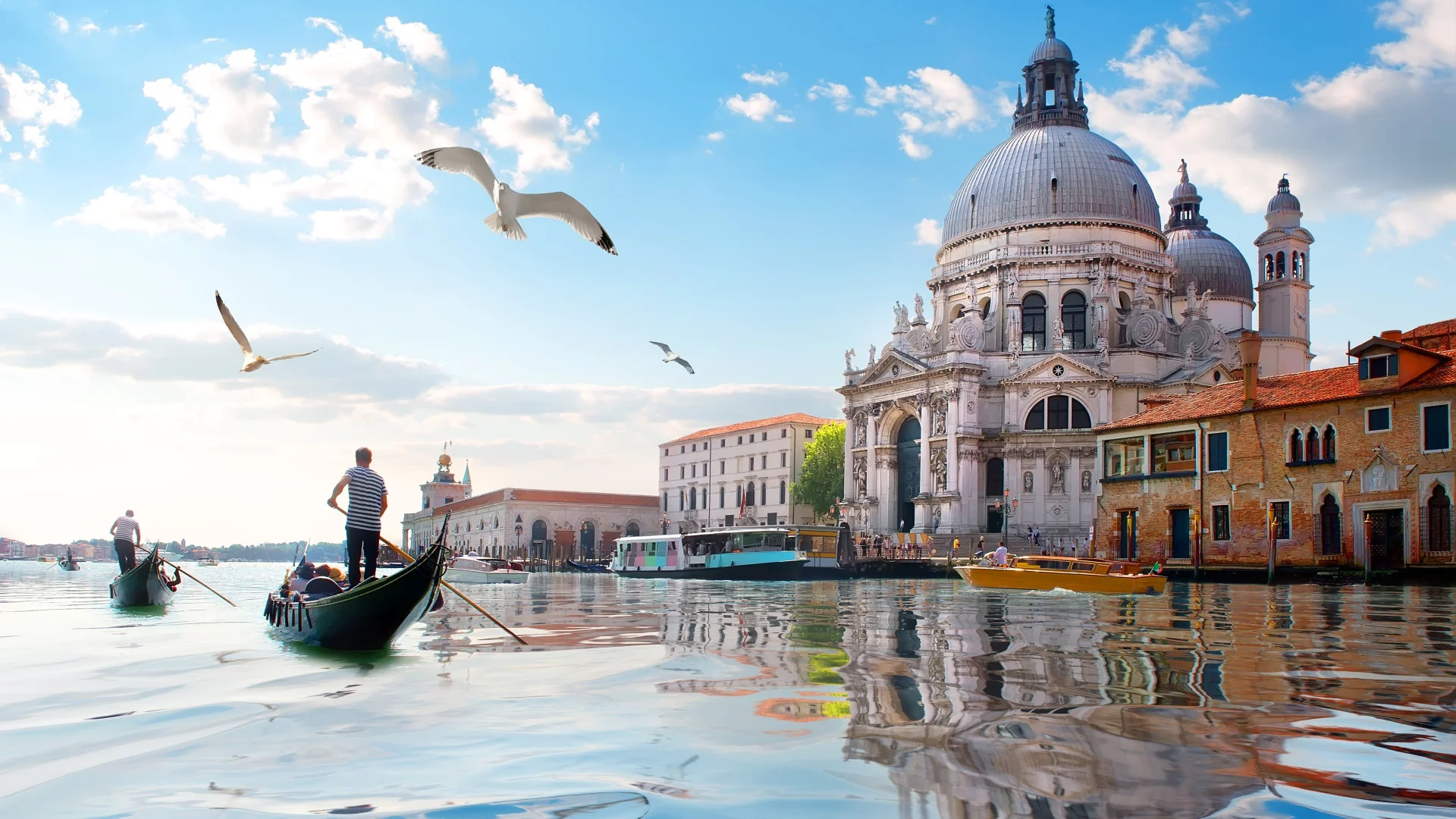
- Venice has introduced a tourist tax to manage overcrowding and preserve its canals and heritage.
- France is charging fees for entry to certain popular sites, including museums and national parks, as part of a broader strategy to regulate tourism.
- Spain has imposed taxes on tourists in Barcelona and other major cities to manage congestion and maintain the quality of life for residents.
- Greece and Portugal are considering similar measures to protect their coastal areas, historic sites, and biodiversity.
How This Levy Impacts the Global Tourism Industry
Italy’s introduction of the tourist levy will undoubtedly have implications for the wider tourism industry, both within Europe and globally:
- Tourism Strategy Shifts: With more European cities imposing fees, travelers will need to adjust their expectations and plan trips accordingly, seeking out less crowded destinations or planning visits during off-peak seasons.
- Shift Toward Sustainable Travel: As travelers become more aware of the environmental and cultural impact of their visits, Italy’s levy will help set a standard for sustainable tourism, where the preservation of heritage sites is as important as the tourism experience.
- Revenue for Preservation: The funds collected from the levy will provide much-needed financial resources for site maintenance and conservation, allowing Italy and other countries to protect their historic landmarks for future generations.
Italy’s introduction of the €2 tourist levy at the Trevi Fountain is a bold step toward regulating tourism and preserving Europe’s iconic landmarks. While it may present a minor inconvenience for some travelers, the long-term benefits of this initiative far outweigh the cost. Visitors from Switzerland, Germany, France, and across Europe will need to adjust to this new reality, but most will embrace the change as part of a sustainable, responsible travel experience.
This levy, coupled with other similar initiatives across Europe, signals a shift in how we approach tourism in the 21st century. Sustainable travel, preservation of cultural heritage, and responsible tourism are no longer just ideals—they are becoming necessities.
Switzerland, Germany, Denmark, Ireland, Poland, France, Netherlands, and more than thirty-six countries in Europe are facing tougher travel restrictions as Italy introduces an unprecedented tourist levy and sustainability rules. This measure aims to combat overcrowding and preserve Italy’s iconic landmarks from the pressures of overtourism.
As Rome sets the stage for this new tourism model, other cities and countries are likely to follow suit. Italy’s bold action in tackling overtourism may just be the start of a continent-wide transformation in the way we travel, preserving Europe’s beauty for generations to come.

link