Montenegro: A First Timer’s Honest Review of This Hidden Gem

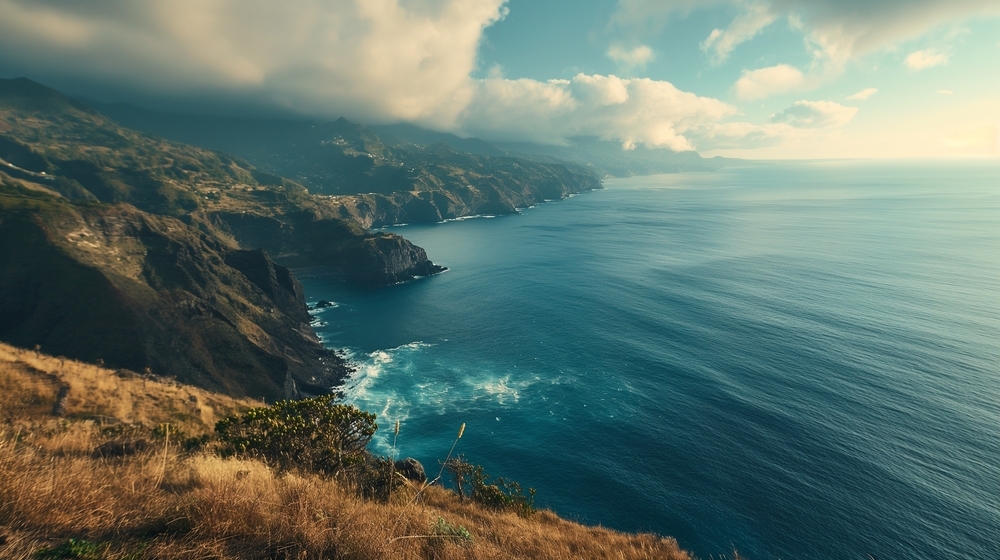
Montenegro. A land of contrasts: mountains that echo Greece, a sea so blue it seems unreal, and a magical atmosphere that lingers long after you leave. Walk its prehistoric trails, explore Roman ruins, wander past Ottoman mosques and Orthodox churches, and feel the whispers of history alongside the freshness of newfound freedom. My husband and I chose Montenegro for our honeymoon. Each moment of our journey showed us why it should be your next escape — a hidden gem where adventure, culture, and ancient history meet.
Where to start?
Our journey began in the heart of Montenegro, in the city of Podgorica. Stepping out of the small airport, I expected the usual hum of a capital city. Instead, the first thing I heard was the chorus of crickets, their sound echoing through the summer heat. This happened even in the city’s busiest corners.
It was my first glimpse of Montenegro’s charm: a place where nature and daily life are inseparably woven together. To truly follow that thread—to chase mountains, sea, and hidden towns—there’s no better option than renting a car. Affordable and easy to arrange, it’s the key to unlocking Montenegro at your own pace.
When planning the trip, I knew I wanted to experience all sides of Montenegro: the glittering coastline, the wild mountains, and those rare places where the two meet in breathtaking unity.

Budva’s coastal charm
So, with our rental car ready, we set off for Budva—a lively coastal city where the Adriatic sparkles and local cuisine is never far away.
Our accommodation was a simple but charming budget hotel, complete with air conditioning (a near-essential in Montenegro’s summer heat). Once settled, we wandered into the old town and quickly found ourselves at a family-run restaurant.
The menu was filled with fresh seafood and local specialities. The prices were as refreshing as the sea breeze—proof that in Montenegro, good food doesn’t have to come with a heavy bill.

Montenegro cats steal the show
As we explored Budva’s old town and beaches, one thing became clear—Montenegrins adore their cats. Sunbathing on stone walls, weaving between café tables, or stretched lazily on the harbour rocks, they seemed to rule the city as much as the people did.
Their presence isn’t new, either. In port cities like Budva—and later Kotor, where our road trip would take us—cats have been part of daily life for centuries. They were once prized as protectors of ships and storerooms. Today, they’re as much a part of the atmosphere as the sea breeze and church bells.
We only stayed one day in Budva, as our heart was truly set for a magical town of Kotor. However, you can certainly stay longer and enjoy every moment. Eating fresh calamari with homemade bread and drinking a cooling lemonade or a traditional Montenegrin beer by the sea is delightful.

Via Lovćen: The scenic route to Kotor
Setting off towards Kotor, we had no idea just how peculiar—and fascinating—the route would be. The road wound between mountains and sea, revealing glimpses of villages tucked into the cliffs.
One thing to note for any traveller: driving in the Balkans has its own rhythm. Don’t be surprised if you’re overtaken on a narrow single-lane road—it’s not rudeness, but simply the local style.
As guests, part of the adventure is embracing these differences. Learn to go with the flow and enjoy the journey as much as the destination.

Into the pines of Lovćen
Lovćen National Park was high on our radar, especially since it borders the famous zig-zag road that snakes its way down towards Kotor. We left the car at a small roadside eatery and set off on foot. Without a map and with little idea of how the local trails were marked, we started.
After paying a modest entrance fee—which goes towards preserving the park—we simply followed the road, trusting it would take us somewhere worthwhile. Soon, we reached a fork. We had to choose to continue along the asphalt or gamble on a rougher rural trail that disappeared into the trees. We chose the latter, uncertain if it would lead anywhere at all.
It turned out to be the best decision of the hike. Within minutes, we were in what felt like an Alpine setting—fluttering butterflies, jagged rocks, the cool scent of pine in the air, and patches of shade. These patches offered welcome relief from the summer heat. It was Montenegro at its wildest and most peaceful.

On that first hike, we also stumbled upon something invaluable: the way trails are marked in Montenegro. A simple red-and-white circle, often painted on rocks or trees, with arrows pointing towards the nearest destination. At first it seemed almost too discreet to notice, but once you spot it, the system reveals itself everywhere. Later, these markers became our compass in Kotor. They guided us through a long, challenging—and at times slightly dangerous—hike that turned out to be one of the most rewarding adventures of the trip.
Into the heart of Kotor Bay
We arrived in Kotor late in the evening, after navigating the dramatic zig-zag road—built, as we later discovered, by Austro-Hungarian emperors to reach the bay’s beauty. Finding accommodation in Kotor doesn’t have to mean staying inside the old town walls. In fact, some of the best options lie just outside. We based ourselves in Dobrota, a mainly residential part of the bay. Though not right under the fortress, it offered sweeping views of the water, a quieter atmosphere, and easy access to Kotor’s historic heart.

Eating in Kotor is a joy in itself. The food is simple yet deeply satisfying: grilled fish, fresh vegetables, juicy watermelons, and pizzas that rival anything across the Adriatic. Here, it’s almost impossible to go wrong.

Kotor is also a place for adventure. The fortress hike is an obvious highlight, but we also followed a trail from Dobrota into the hills. It was marked by the red-and-white circles we had first spotted in Lovćen. The path led us to two “lost villages,” abandoned since the 1990s. Stone houses and a silent church remain frozen in time there. Higher up, mountain tracks brought us face to face with butterflies, goats, and glimpses of wild Montenegro.

If I had to choose my Top 5 Kotor experiences, they would be:
- A 3.5-hour boat trip across the bay to Our Lady of the Rocks and the glittering Blue Cave — with the chance to dive into the Adriatic.
- Hiking the historic “Kotor Ladder,” once the main route between the mountains and the coast.
- Tasting local watermelons — trust me, they’ll spoil you for all others.
- Visiting Kotor Fortress, and meeting the true locals: the town’s cats.
- Swimming in the bay’s warm, clear waters.

Podgorica: The capital in context
Reluctantly leaving Kotor behind, we returned to Podgorica, stopping en route for another traditional Montenegrin meal in a roadside restaurant.

At first glance, the capital doesn’t charm with its architecture. But once you dig deeper into its history, the city reveals a different side. I recommend the Podgorica Art Museum, which also houses part of the national history collection, from ancient times to the present. Entrance is free, and it’s an eye-opening way to gain insight into Montenegro’s journey. For an even broader perspective, the larger National Museum is in Cetinje, the country’s former capital.

Looking for a final dose of nature, we headed to Podgorica’s own Niagara Falls. In the summer heat, the river had dried to a bed of sculpted rocks. Even without rushing water, the landscape was worth the visit.
How far your Euros go in Montenegro
Our 10-day trip through Montenegro cost about €800 per person (around $950). That included flights, accommodation, food, and entertainment — everything apart from the optional car rental.
Even without counting the car, it’s remarkable value for a European destination. Montenegro offers Adriatic beaches, UNESCO heritage towns, and mountain hikes.
Compared to neighboring Croatia or Greece, Montenegro is a place where your euros go a long way, without ever feeling like you’re compromising on experience.

Farewell Montenegro
On our last day, we savoured one final watermelon — sweet, cool, and very Montenegrin — before saying goodbye.
Montenegro may not be a secret anymore, but it still feels like Europe’s hidden treasure.
It may be small, but it offers a rare mix of sea, mountains, history, and hospitality — all at a price that makes travel feel effortless. Whether you come for the hikes, the food, or simply the views, this hidden gem proves unforgettable

link