


Published on
December 27, 2025


Winter Storm Devin is creating widespread travel challenges across several parts of the United States.
For international tourists and domestic travelers, preparation is essential.
This advisory explains what travelers should expect and how to stay safe.
Government agencies have issued multiple alerts related to air travel, highways, and public safety.
Understanding these updates can help travelers avoid stress and costly disruptions.
How Winter Storm Devin Is Affecting Travel
Winter Storm Devin is bringing heavy snowfall, freezing rain, and strong winds.
These conditions are affecting airports, highways, and rail networks.
According to updates from the US National Weather Service (NWS), the storm is impacting large sections of the Midwest and Northeast.
Rapid temperature drops are increasing the risk of icy surfaces.
For travelers, this means slower journeys and sudden schedule changes.
Flight Delays and Airport Operations
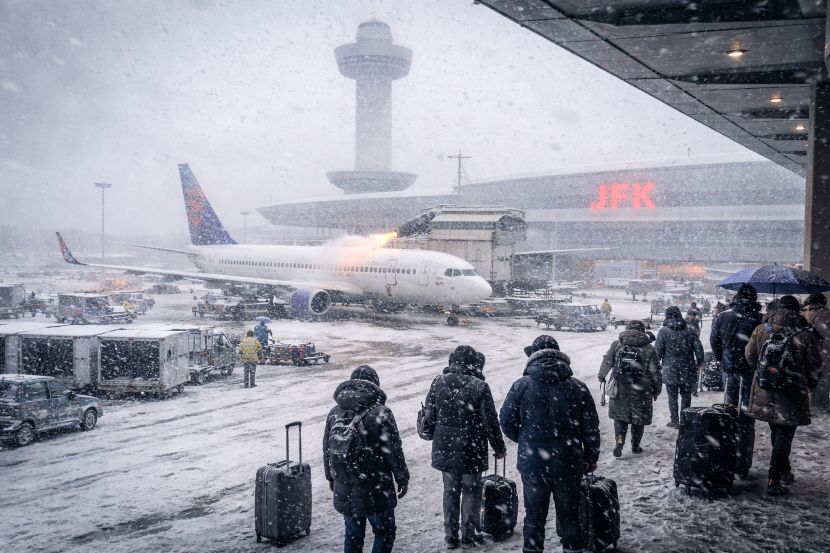
Airports are among the most affected travel hubs during winter storms.
The Federal Aviation Administration (FAA) has confirmed weather-related delays at several major airports.
Snow accumulation and de-icing operations are slowing departures.
Some airlines are proactively canceling flights to manage safety.
Travelers are advised to:
- Check airline alerts before leaving for the airport
- Allow extra time for security and boarding
- Monitor airport authority announcements
Flexible tickets are proving valuable during this period.
Road Conditions and Highway Safety
Road travel is also facing major disruptions.
The US Department of Transportation (USDOT) reports reduced visibility and icy highways in storm-affected regions.
State transportation departments are deploying snowplows and salt crews.
However, changing weather patterns can still make driving dangerous.
Tourists planning road trips should:
- Avoid overnight driving during snowfall
- Use official state traffic websites for updates
- Keep emergency supplies in vehicles
Safety remains the top priority.
Public Transport and Rail Services
Rail and bus services may experience slower operations.
Weather-related speed restrictions are common during winter storms.
Government transportation agencies advise passengers to expect delays.
Timetables may change with limited notice.
Travelers should confirm schedules before reaching stations.
Travel insurance can help reduce financial losses during disruptions.
What Government Agencies Recommend to Travelers
Several US government agencies have issued travel guidance.
The National Weather Service encourages travelers to avoid non-essential trips.
The Federal Emergency Management Agency (FEMA) advises staying informed through official alerts.
Emergency notifications provide real-time updates on road closures and severe conditions.
Tourists unfamiliar with winter travel should follow local authority instructions closely.
Practical Travel Tips for Tourists
Winter Storm Devin highlights the importance of smart travel planning.
Tourists should consider rescheduling trips if possible.
If travel is unavoidable:
- Pack winter clothing and essentials
- Download airline and weather apps
- Share itineraries with family or friends
Staying informed reduces risk significantly.
Why This Matters for Global Travelers
Many international visitors are unfamiliar with US winter weather patterns.
Sudden storms can disrupt tightly planned itineraries.
By following government-approved guidance, travelers can adapt safely.
Prepared tourists are more likely to enjoy a smooth journey despite challenges.
Conclusion
Winter Storm Devin highlights the importance of preparedness and flexibility for all travelers. Safety should always come first, whether you are flying, driving, or using public transport. Staying informed through official weather alerts and transport updates helps minimize risks and avoid delays. Tourists are encouraged to adjust itineraries, keep emergency supplies handy, and follow local guidance. For international visitors, understanding US winter conditions is especially crucial. With careful planning, patience, and adaptability, travelers can navigate disruptions safely and continue enjoying their journey. Being proactive turns potential travel challenges into manageable experiences.


link