


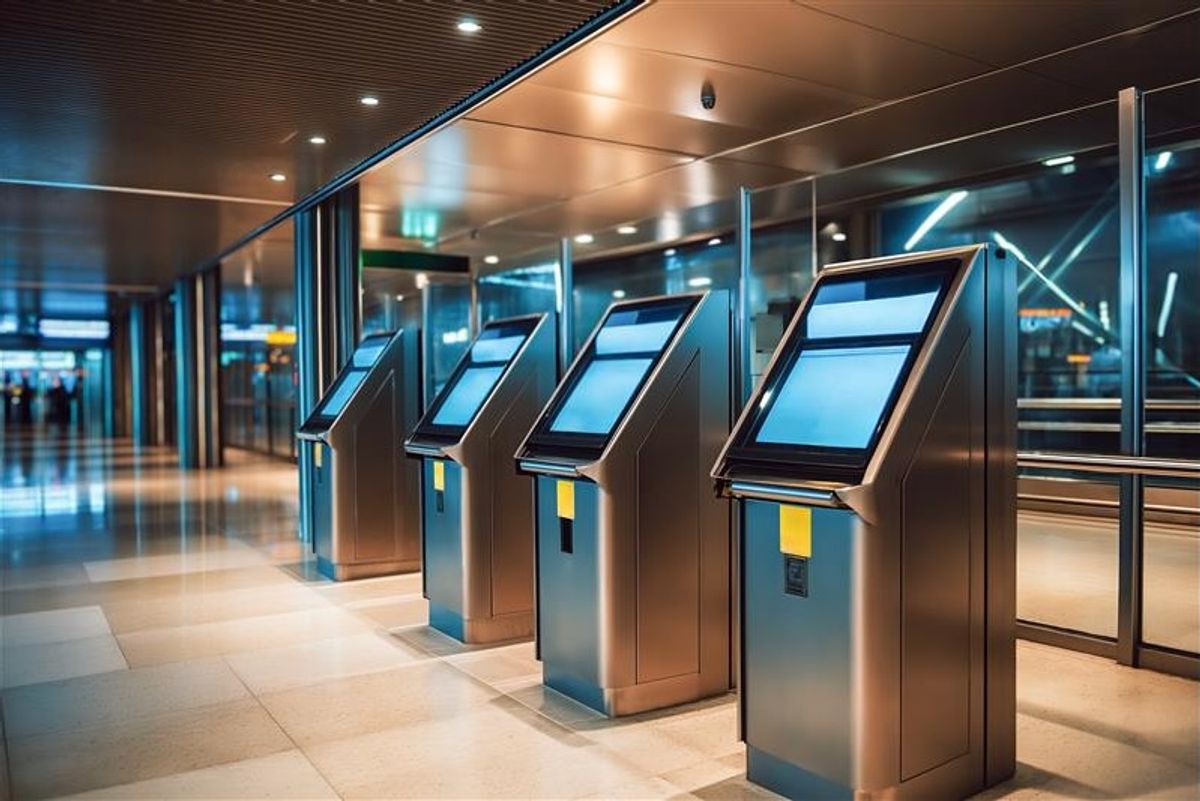
The EU has effectively delayed the full implementation of the Entry-Exit System (EES) from April to September 2026 to give more flexibility to Schengen Area countries during the busy summer season in Europe.
The biometric system, which was launched in a phased approach in October 2025, had been due to be fully implemented by 10 April. But the EU is giving the 29 participating countries “certain flexibilities” to allow the introduction process to be extended up to early September, if necessary.
Markus Lammert, the European Commission’s spokesperson for internal affairs, insisted in a statement that “no new prolongations of the progressive roll-out have been announced”.
“The progressive deployment of the EES will end on 9 April 2026. However, the EES regulation foresees already certain flexibilities for member states for the period after the completion of the roll-out in April this year,” added Lammert.
“After the completion of the roll-out, member states will still be able to partially suspend EES operations, where necessary, during a period of an additional 90 days, with a possible 60-day extension to cover the summer peak.”
Lammert explained that this extra flexibility had been “foreseen” in the legislation and would give member states “the necessary tools to manage potential extended queues” this summer.
EES is replacing passport-stamping for visitors from “third countries”, including the UK and US, by collecting biometric data, such as facial image scans and fingerprints, at the EU border.
The EU has been keen to talk down the scale of operational problems caused by the EES rollout so far, although European airports association ACI Europe drew attention to “mounting operational issues” with the system in December.
Lisbon Airport in Portugal also suspended its use of EES for several weeks in December due to long queues before restarting its testing of the system in mid-January.
EES is the precursor to the EU’s European Travel Information and Authorisation System (ETIAS), which is due to become operational in the final quarter of 2026. ETIAS will be similar to the UK’s recently introduced ETA scheme and the long-established ESTA in the US.
It will require visa-exempt, non-EU nationals to obtain an online authorisation before entering the bloc. But the EES and ETIAS are two separate systems. They are one of the trends and developments featured in BTN Europe’s Hotlist 2026.
link